17 July, 2025 | Raymond Jaravaza | heraldonline
THE contractor behind the construction of the US$98 million Bopoma Glassblock Dam in Insiza, Matabeleland South, has moved on site to undertake preliminary works, paving the way for full-scale project implementation.
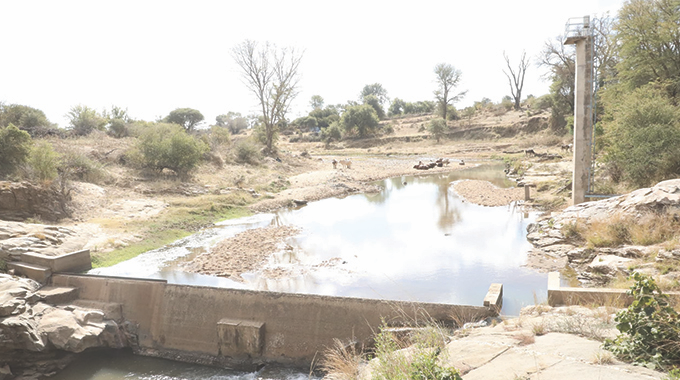
The giant water body will be situated in the Upper Umzingwane Catchment Area in Matabeleland South Province and is touted as a medium-term solution to Bulawayo’s water challenges.
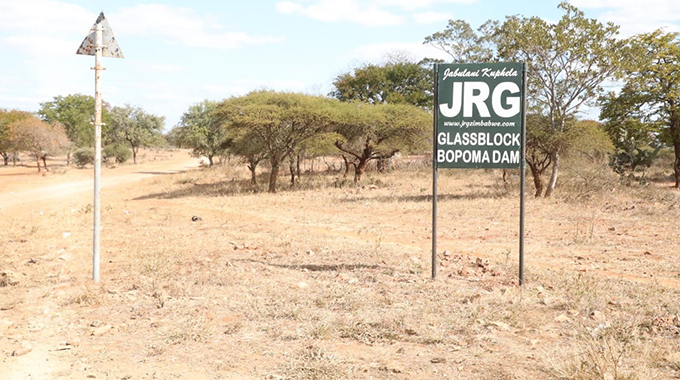
Strategically located at the confluence of Gwanda, Umzingwane and Filabusi districts, construction is expected to be completed within three years and will be undertaken by JR Goddard Contracting Pvt (Ltd).
Estimates suggest the project could start holding water by December 2026 and has a full capacity of 129 million cubic metres with a daily yield of about 68 megalitres.
Once complete, the water body would be the second-largest city’s supply dam after Insiza Dam, which has a capacity of 173 million cubic metres and a daily yield of 46 megalitres.
Latest updates indicate that full-scale construction could commence soon once the imminent financial closure with international funders is secured.
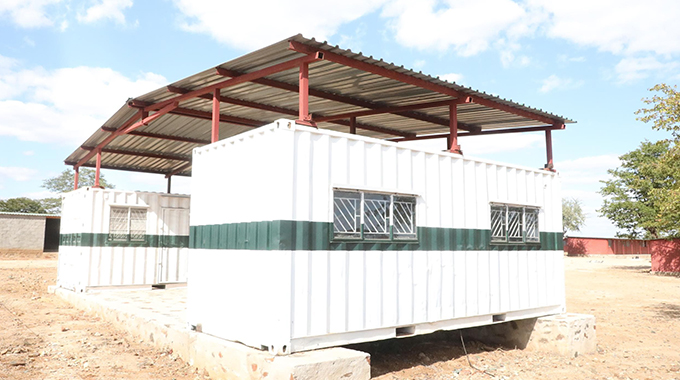
The Zimpapers news crew visited the dam site on Tuesday and found the contractor on the ground with finished accommodation cabins to house workers, and office spaces with newly installed fuel tanks and other critical support infrastructure.
A large area where the dam will be constructed has also been cleared. Bulawayo Mayor, Councillor David Coltart, said preparations for the commencement of works were now at an advanced stage and that funding for the massive project had already been secured from a range of financiers.
“The contractor is already on the ground, has cleared the land for the dam site and construction is expected to start as soon as the Water Off-Take Purchase Agreement has been concluded,” he said.
“We expect the works to begin when the financial arrangements have been concluded with the international finance institutions,” said Clr Coltart.
He assured stakeholders that full-scale construction of the dam is expected during the third or fourth quarter of this year and that funding for the massive project had already been secured.
“In December last year, at the Africa Investment Forum in Morocco, representatives of Government, Zida (Zimbabwe Investment and Development Agency), the consortium, and the city council, including myself, attended and lobbied for financing,” said Clr Coltart.
“Dr Anxious Masuka (Minister of Lands, Agriculture, Water, Fisheries and Rural Development), on behalf of Government, agreed that the consortium can have a 20 to 25-year servitude over the dam site and agreed that the Water Off-Take Purchase Agreement, which underpins the financial arrangements, shall be between the consortium and the Bulawayo City Council.”
Mr James Ross Goddard, who leads the contracted firm, told an investment Indaba in April that the dam will be 70 percent the size of Insiza Dam.
“The dam will store 129 million cubic metres of water, which is about 70 percent of Insiza Dam’s capacity, and will meet Bulawayo’s water demand until 2054, covering the next 30 years,” said Mr Goddard.
He said financing for the project will primarily come from Standard Bank of South Africa and the African Development Bank, with other financiers contributing US$13 million of the US$93 million required for the project.
“Standard Bank of South Africa has committed US$50 million towards the dam’s construction, while US$30 million will be provided by the African Development Bank. The remaining US$13 million will come from various smaller organisations and financiers,” he said.
On site, the news crew observed that a huge chunk of land has already been cleared and the construction of accommodation for hundreds of workers is complete.
Engineers have also marked with white paint the area where the dam wall will supposedly be constructed. Locals are ecstatic about the possibility of being offered jobs when construction resumes.
“We were told by the headman and village heads that the contractor has promised that locals will be given first preference when they start hiring.
“I think it’s a good thing that menial jobs are given to local villagers, only specialised jobs are offered to people from outside who have the skills,” said Mr Amkela Mpofu, a local villager at Gankabezi Village.
Businesses are also optimistic of reaping rich pickings from the human traffic that will be at the dam site.
“I expect to make money from my grocery shop for the three years that it will take for the dam to be constructed and completed. The hundreds of construction workers at the dam site will buy food and other necessities from the local shops,” said shop owner, Mrs Thandolwenkosi Sibiya.
The Bulawayo City Council has concluded citywide consultations with residents and other stakeholders regarding the feasibility of purchasing raw water from the proposed dam.
The Ministry of Lands, Agriculture, Water, Fisheries and Rural Development awarded the tender to JR Goddard Contracting in 2019, under the Build, Operate and Transfer (BOT) arrangement.
Under the agreement, the city will pay US$0,90 per cubic metre for raw water during the first 10 years of the repayment period. The cost will drop to US$0,70 per cubic metre for the subsequent 15 years.
In comparison, BCC pays US$0,29 per cubic metre for water from the Mtshabezi Dam and US$0,51 from the Nyamandlovu Aquifer. The cost of treated water for residents will rise by US$0,16 per kilolitre (1000 litres), increasing the tariff from US$1,22 to US$1,38 per kilolitre.